
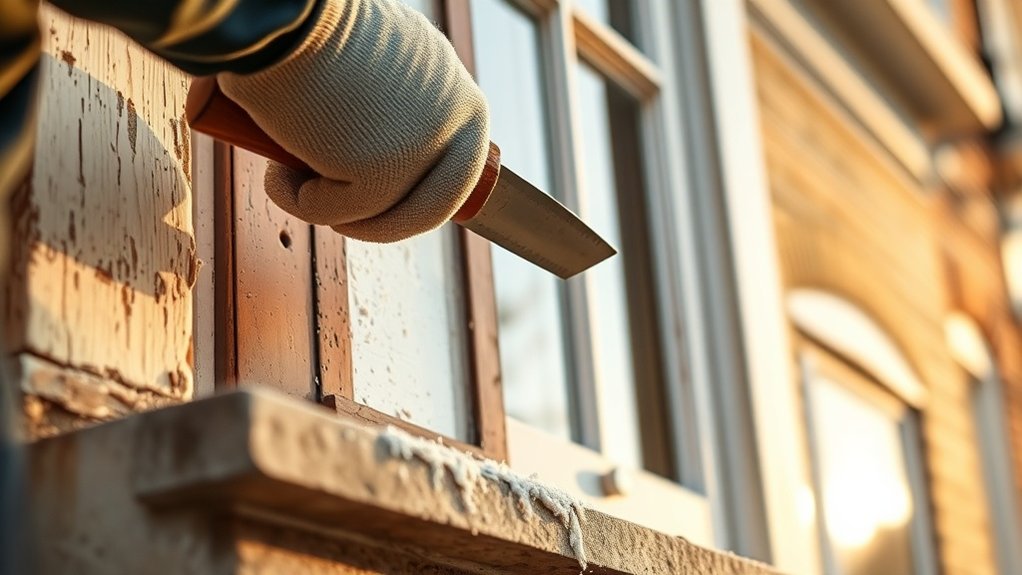
Flaking paint, a sill that gives under your thumb, sashes that rattle in the wind or mist between retrofitted panes are the usual signs that a timber window in Erith needs attention. Wooden window repair starts with a moisture survey, then decayed sections are cut out and new timber spliced in, cords and draught seals are renewed, glass is replaced where needed and the whole frame is recoated with a microporous paint that copes with the damp local weather. On a listed house or in a conservation area you also need a firm that understands the council's like-for-like rules. The sections below cover costs, consent and the upgrades available.
Key insights
- Check timber windows for soft wood, peeling paint, cracked putty and rattling sashes; each points to decay or wear that needs repair rather than another coat of paint.
- A Erith joinery specialist can splice new timber into old frames, renew putty, replace cords and pulleys and fit draught seals without losing period detail.
- Listed buildings and many conservation-area homes in Erith must be repaired like for like; new profiles or double glazing usually need Listed Building Consent.
- Repairing original timber windows normally costs less and uses fewer resources than replacement, and it still improves warmth and noise control.
How to Tell Your Wooden Windows Need Repair
Well-made timber windows last for generations in the Erith climate, but certain changes mean they have moved beyond routine upkeep. Start with the wood itself: press a small screwdriver into the sill and the bottom rail of each sash. If the point sinks in or the timber feels spongy, water has got in and wet rot has started. Paint that has lifted to expose grey, furry wood shows the surface has broken down under sunlight and rain. Then look at how the window performs. Dark staining at the joints and black spots along the putty line suggest the seal between glass and frame has failed. A sash that rattles on windy nights, binds at the same point every time or will not stay open has either distorted or lost its cord tension. Where double-glazed units were fitted into old sashes, condensation between the panes means the unit has failed.
What Professional Wooden Window Repair Involves
A professional repair in Erith begins with a full survey of every window, recording moisture readings in the timber, the condition of the paint film, and the state of the putty, joints and ironmongery. The joiner then cuts out the decayed sections and splices in matching timber, usually a durable hardwood or Accoya, and treats the surrounding wood with epoxy consolidant and a breathable primer suited to damp conditions. Cords, pulleys and draught seals are swapped for discreet modern components that run smoothly. Cracked, misted or single-glazed panes are replaced, with slim double glazing or acoustic glass where conservation rules permit. Finally the sashes are re-balanced, the action adjusted and a sprayed microporous topcoat applied.
Repair or Replace? Choosing the Best Option in Erith
Deciding between repairing and replacing wooden windows in Erith, DA8 involves the condition of the joinery, the performance of the glass and any planning constraints, and the last of those weighs heavily in conservation areas and on listed buildings. Repair is the right choice where most of the original timber is sound and you want to keep the authentic profiles and old glass. Localised splice repairs, resin work and slim double glazing can transform how a period window performs while keeping the historic fabric in place. Replacement makes sense when rot is widespread, the frame has twisted or earlier botched alterations have ruined the sections. In that case specify bespoke timber windows that copy the original profiles, in a sustainable hardwood or modified softwood with a factory-applied coating, and compare whole-life cost, U-values and noise reduction before you commit.
Common Wooden Window Problems in Period Erith Homes
Repeated wetting and drying, airborne grime and traffic vibration all work on every joint and glazing line over the decades. Paint usually fails first along the bottom rail and sill, exposing end grain that draws water in like a bundle of straws. The putty cracks and lets rain creep around single glazing. Sash boxes go out of square, so the meeting rails no longer line up, and cords drag over worn pulleys. Older softwoods, often slow-grown Baltic pine, can crush at the bearing points, and past repairs using cement fillers or unsuitable hardwoods create hard spots that concentrate movement, cracking the paint and starting fresh decay around them.
How to Fix Rot, Draughts and Noise in Erith Sash Windows
Many original sash windows in Erith feel cold, noisy and half rotten, yet they are almost always worth saving. The repair begins by probing the timber with an awl and cutting out decayed wood back to sound material, then splicing in matching timber with traditional scarf joints. Any remaining soft fibres are stabilised with epoxy consolidant and the mouldings rebuilt in resin so the profile is unchanged. Draughts are dealt with by routing fine grooves into the staff and parting beads for brush or pile seals, then truing the sashes so they close on an even, airtight line. For noise, slim acoustic laminated units can be glazed into the existing sashes, or secondary glazing fitted inside with little visual effect. Throughout, traditional joinery is paired with modern breathable coatings and sealants chosen for the damp Erith, DA8 climate.
Wooden Window Repair Costs in Erith
Costs in Erith reflect skilled joinery time, the care needed to keep original detail and the performance upgrades you choose to add at the same time. A quote is normally broken down into:
- Survey and diagnosis: moisture readings, timber condition checks and an assessment of the ironmongery.
- Timber repairs: spliced sections, epoxy consolidation and resin profiling to limit future movement.
- Performance upgrades: slim double glazing, brush seals, low-E glass or acoustic laminate for homes on busy roads.
- Finishing and setting up: microporous paint systems, trickle ventilation where required, and adjustment of weights, cords and pulleys.
Erith Conservation Rules for Wooden Windows and Listed Buildings
Timber windows on a listed building or in a Erith, DA8 conservation area cannot be treated as an ordinary repair job. Controls cover the profiles, glazing, joinery details and sometimes even the paint finish. Before changing frames, fitting double glazing or altering an opening you will usually need Listed Building Consent or planning permission from the council, and unauthorised work can lead to enforcement and an order to reverse it.
Listed Building Window Regulations
The rules balance preservation against sensible modern upgrades, and you are expected to show evidence for both sides.
-
Significance: establish what the window contributes to the listing, including its age, moulding profiles, glazing bars and any historic glass.
-
Like-for-like principle: repairs should keep original sections, joints and hardware, and any replacement must copy the profiles and sightlines exactly.
-
Performance upgrades: councils generally accept slim double glazing, draught seals and discreet secondary glazing where they do not harm the character.
-
Local policy: each council's Conservation Area Appraisal and design guidance interprets national policy in its own way, so details should follow local precedent.
Planning Permission Requirements
Like-for-like work, such as splicing in new timber, easing sashes and replacing cords, normally needs no permission as long as the profiles, sightlines and opening method stay the same. Changing the glazing pattern, frame dimensions or external appearance is where planning comes in. In conservation areas an Article 4 Direction often removes permitted development rights, so even modest changes may need consent. On a listed building, double glazing, a different timber species or a changed putty line normally requires Listed Building Consent. Check any proposal against Building Regulations, the conservation area appraisal and the council's design guides before ordering work.
Maintenance Tips for Erith Wooden Windows
Even after expert repair, wooden windows in Erith need regular care to stand up to driving rain, airborne dirt and swings in temperature. Inspect the frames every three months, paying most attention to the bottom rails and sills where water and grime collect, and probe anything suspect with a sharp awl. Wash paintwork with a mild, non-alkaline detergent so the protective film is not stripped, and clean more often near main roads or railway lines. Repaint exposed timber every three to five years with a microporous system that lets moisture escape while keeping rain out. After any reglazing, check the perimeter seal and make sure the drainage channels in the rebate are clear.
If this is not quite what you need, we also cover aluminium window repair.
Frequently Asked Questions
Can I Stay in My Home While Wooden Window Repairs Are Carried Out?
Yes. Most timber window repairs are done one or two windows at a time, and each opening is made secure again before the joiners leave for the day. Agree a room-by-room order with the contractor, clear curtains and blinds from the windows being worked on, and let them put up dust sheets or a zip-wall barrier. Asking for low-VOC fillers and dust extraction on sanders keeps the air comfortable.
How Long Does a Typical Wooden Window Repair Project in Erith Take?
Allow one to three days per window, depending on the extent of the damage. Minor decay and peeling paint can usually be stripped, resin-filled, sanded and repainted within a day. Larger jobs involving spliced timber, new glazing or replacement ironmongery take longer, and a whole house of sashes may run to a week or more once drying times, scaffold access and any Erith conservation approvals are taken into account.
Are Eco-Friendly Paints and Finishes Available for Restored Wooden Windows?
Yes. Water-based, low-VOC paints and breathable finishes perform well in the damp, traffic-heavy conditions around Erith, DA8. Ask your contractor for a microporous system, which lets the timber release moisture while resisting rain, dirt and ultraviolet light. Linseed-based paints suit conservation-area work because they match traditional finishes. Whatever you choose, make sure it is compatible with the primer and any consolidant already in the timber.
Will Repairing My Wooden Windows Improve My Home’s Energy Efficiency Rating?
It can. Sealing draughts, re-setting the sashes so they close evenly and adding brush seals cuts air leakage, one of the biggest sources of heat loss in a period house. Fitting slim double glazing or low-E glass into restored frames reduces heat loss through the glass itself, and that can be reflected in an EPC assessment if the assessor records the upgraded glazing. The improvement is most noticeable in a Erith terrace with large original sashes.
Do Erith Councils Offer Any Grants or Subsidies for Wooden Window Restoration?
There is no standing grant for timber window restoration in Erith, but a few related schemes are worth checking. Energy schemes such as ECO4 and the Great British Insulation Scheme occasionally fund glazing improvements for eligible households, and some councils run conservation-area or heritage grant funds for repairs to listed façades. Applications usually need a joinery specification, quotes and evidence of the thermal gain. Ask the council's conservation and housing teams, as funds open and close from year to year.
Summary
Keep ahead of rot, draughts and peeling paint and your Erith wooden windows will serve for decades more. You now know how to spot trouble, what a professional repair involves and when replacement or conservation-grade restoration is the better option under local planning rules. Call us for a free survey and quote whenever a Erith, DA8 window starts to show its age.
